
Do More with Less: Innovative Ways to Utilize Your L&D Spend Effectively
Learning and Development (L&D) is one of the most strategic areas for an organization’s growth. However, managing L&D budgets effectively while keeping pace with evolving training needs, technologies, and employee expectations can be challenging. Companies must think innovatively to ensure that their L&D budget not only enhances skills and perf
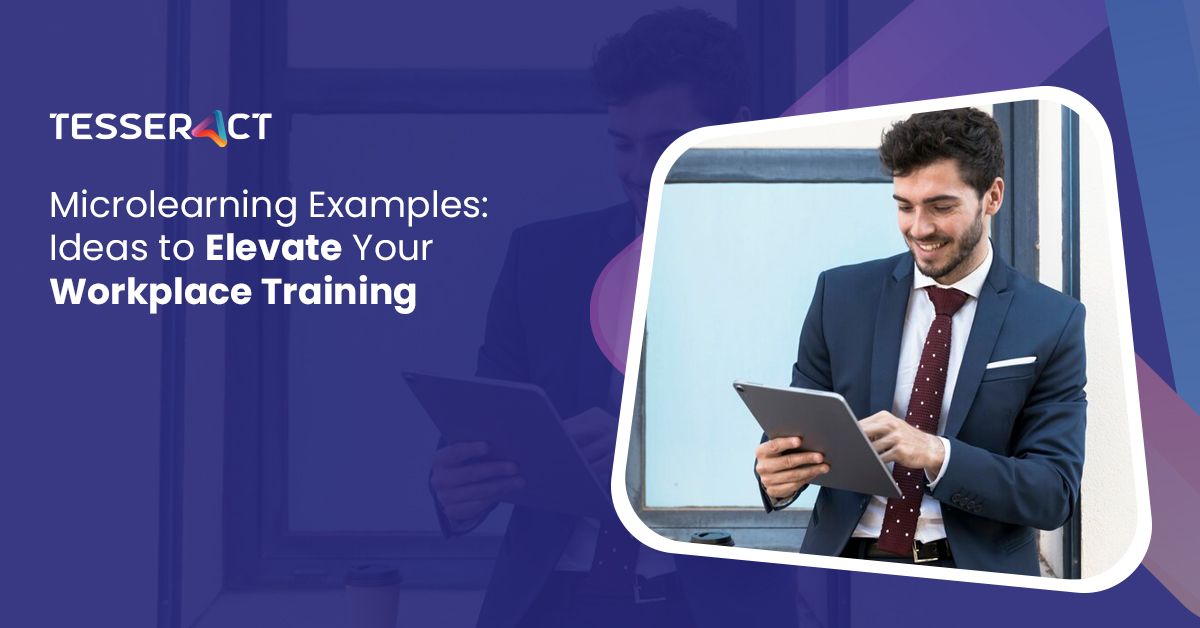
Microlearning Modules: Ideas to Elevate Your Workplace Training
Introduction In the rapidly evolving landscape of workplace training, microlearning modules have emerged as a game-changer. This approach, which involves delivering content in small, focused segments, is highly effective in keeping employees engaged and improving retention. In this blog, we will explore how microlearning interventions elevate your workplace
Maximize Learning Impact: 15 Proven Tips for Integrating Serious Games in eLearning
Introduction Summary Learning becomes effective when we integrate varied strategies such as serious games into eLearning. Serious games can improve engagement and knowledge retention. Manifold. In this blog, we will look at some tips for integrating serious games into eLearning. 15 tips to maximize learning impact 1. Align Games with Learning Objectives Ensu
6 Key Benefits of Using Interactive Videos in Employee Training
Introduction In today’s competitive business environment, effective employee training is crucial for companies to maintain a competitive edge over their competitors. Traditional training methods often fall short in engaging employees in their learning or providing them with the practical skills they need. This is where we can use interactive videos. By
7 Proven Instructional Design Strategies for Creating Exceptional Learning Experiences
Introduction Instructional design is a systematic approach to creating effective educational and training materials and experiences. This process encompasses several crucial steps: analyzing learner needs, defining clear learning objectives, designing and developing instructional content, implementing the materials, and evaluating their effectiveness. The pr
Scenario-Based Learning in Corporate Training: Real-World Examples from Retail Industry
Introduction In the dynamic world of retail, providing effective training to employees is crucial for delivering exceptional customer experiences and driving business success. Traditional training methods often fall short of preparing employees for the myriad of situations they encounter on the retail sales floor. Scenario-based learning, on the other hand,
Enhancing Global Reach: Best Practices for Localization of eLearning Content for Businesses
Introduction In today’s world of globalization, it is extremely important that companies adapt learning materials to diverse linguistic and cultural contexts. Localization is the key to ensuring that eLearning content resonates with learners worldwide. By tailoring content to specific regions, languages, and cultures, businesses can enhance engagement
Growth Through Guidance: Embracing ILT for Skill Development
Introduction ILT is when a human instructor facilitates a training session for an individual or group of learners in person or online. This traditional method of learning is interactive and personalized. The offline ILTs can include lectures, discussions, activities, and hands-on practices. Soviet psychologist and social constructivist Lev Vygotsky believed
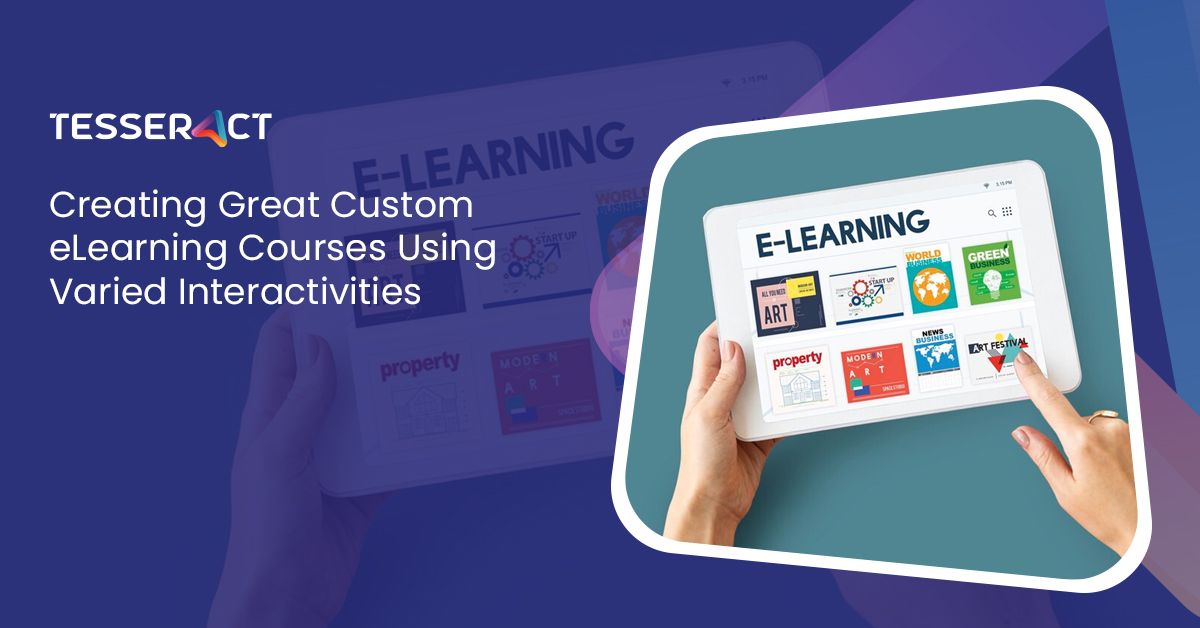
Creating Great Custom eLearning Courses Using Varied Interactivities
Introduction Summary Custom eLearning courses can be built with varying strategies. One strategy that we have seen working is active learning, where we use a variety of interactivities to keep the learner engaged and hooked to the content. Various Methods of Engagement In previous blogs, we have discussed how storytelling, scenarios, gamification, evidence-
Generative AI Used In Digital Learning
Introduction In the era of comprehensive AI integration, learning has the potential to evolve into a more holistic, meaningful, and empathy-driven experience. Recognizing the diverse and specific needs of learners today, the traditional one-size-fits-all approach can’t be used anymore. Instead, it is imperative to consider individual learning styles, p